
2026 Booth Descriptions
Welcome and Information Desk
Directions to your best festival experience are at the east entrance of ENR2 – near the food trucks!
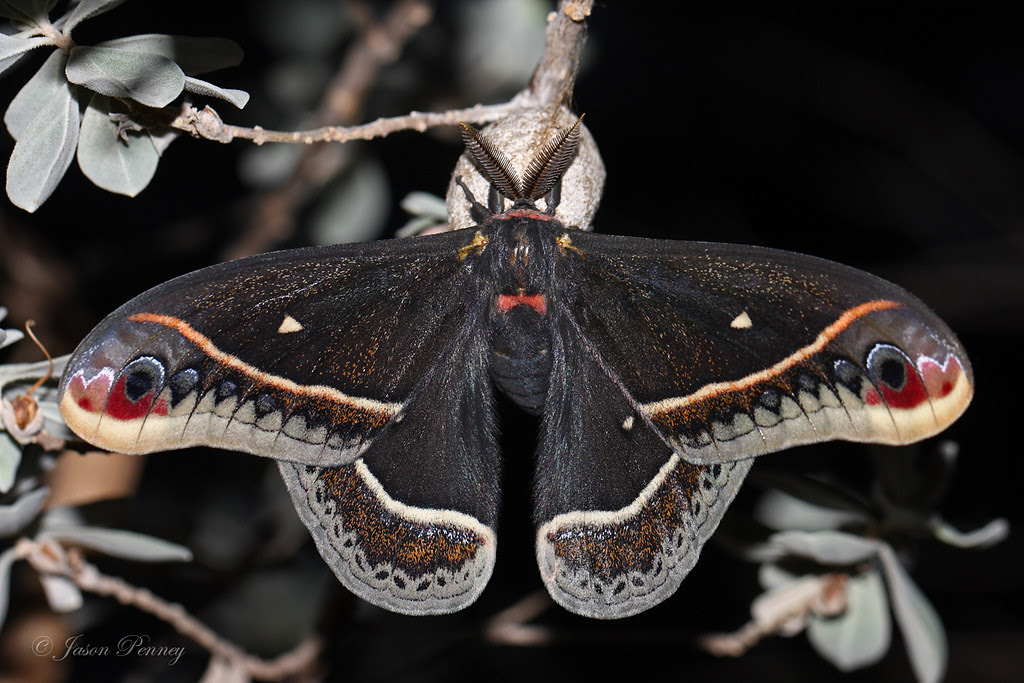
The Theme Insect Booth: Calleta moths
Jewelry that incorporates Calleta moth cocoons will be displayed.
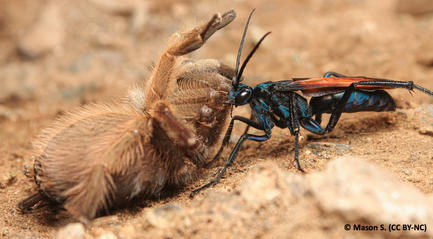
Stings n’ Things
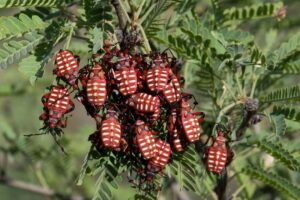
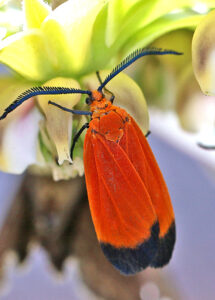
Come see some of the meanest insects around, and the insects that mimic them to scare off predators!
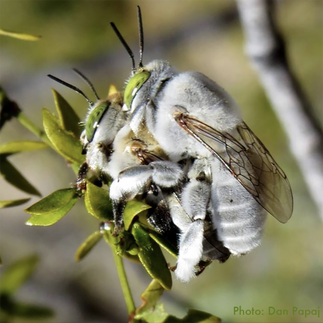
Pollinator Paradise
Brought to you by the laboratories of Dr. Dan Papaj and Dr. Judie Bronstein.
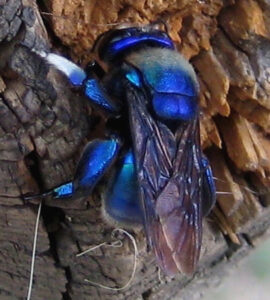
One-third of our food requires the services of animal pollinators, which usually means insects such as bees. We will have videos and live specimens available, and provide information about insects as pollinators. Insects are involved in other beneficial relationships too, and you’ll meet some of them at this table.
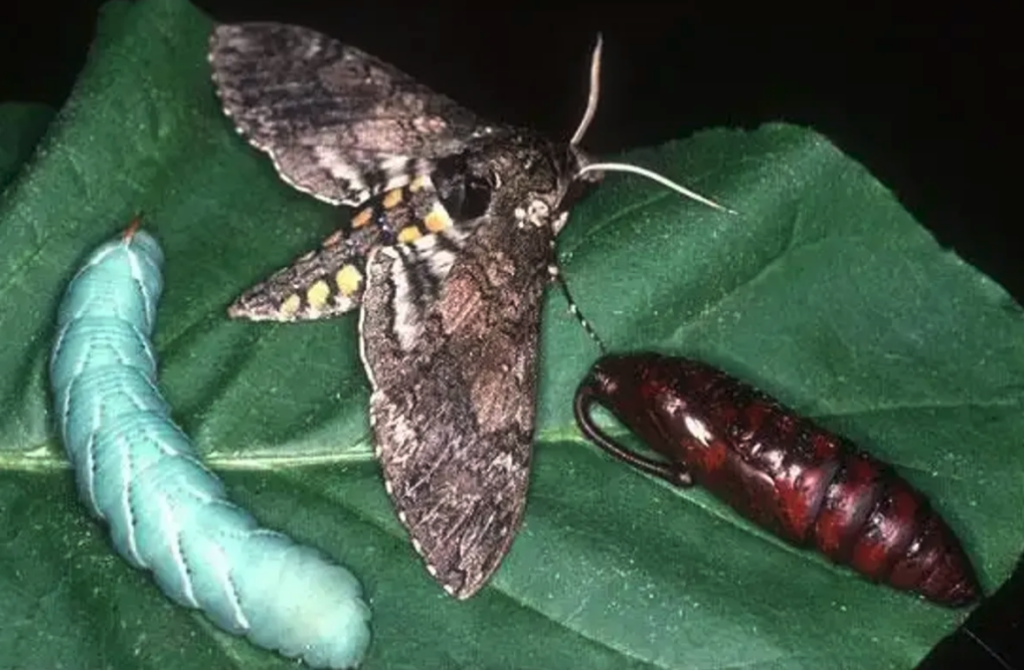
Insect Life Cycles
Brought to you by the laboratories of Dr. Goggy Davidowitz and Dr. Natasha Tigreros.
Learn how insects grow and transition between life stages.
MOTHS MATTER! All over the world moth caterpillars and moth adults are a critical food source for birds, bats, and bears as well as important pollinators for fruits and vegetables. We’ll have free moth takeaways and fun moth activities for people of all ages. Learn more about the Xerces Society for Invertebrate Conservation at xerces.org.
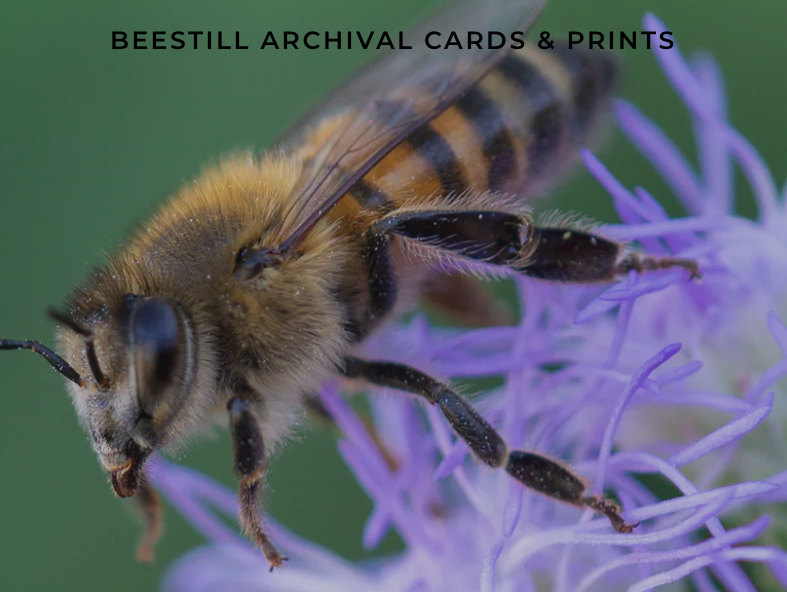
Bee Cards
Brought to you by Beestill Archival Cards & Prints.
Beautiful cards and prints of local insects focused on the ancient, ongoing, and vital relationships between pollinators and plants.
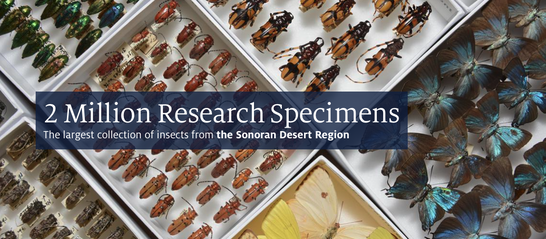
The UA Insect Collection
Brought to you by collections manager Gene Hall.
The Insect Collection is a preserved history of insects from across the Sonoran Desert, providing researchers valuable information about what species are here, where they are found, and lots more. Learn about how the Collection preserves insect specimens and seeds scientific breakthroughs.
Build a Bug
Brought to you by the laboratory of Dr. Kathleen Walker and the Insect Discovery Program.
You’ve probably made sandcastles or towers before, but have you ever built a bug? Stop by our Build-a-Bug booth and create your very own insect! Design and craft together a bug of your own…and show off your creation to your friends!

Social Insects
Brought to you by the laboratory of Dr. Anna Dornhaus.
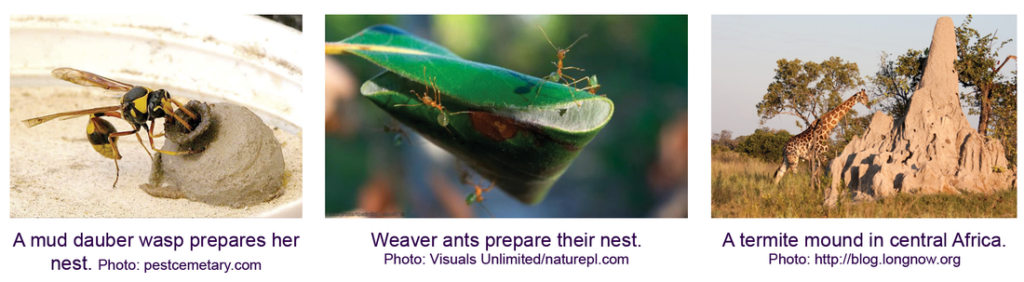
Some insects live together permanently in large groups and are called social, while others are solitary. Social insects live in colonies that may have a few dozen members or hundreds of thousands. They work as a team to build a nest, find food and care for the young. Ants, termites and some bees and wasps are highly social and their colonies are well structured and efficient. Come meet the social insects and learn about the ways they organize and work together at our booth.
Fruit Flies Like a Banana
Brought to you by the laboratories of Dr. Luciano Matzkin and Dr. Todd Schlenke.
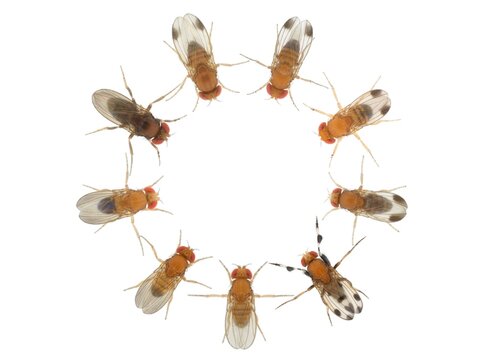
The Fruit Fly booth will let us take a closer look at the little flies that love your fruit bowl, your glass of wine, and the rotting cacti in your backyard. We will learn what’s unique about their biology, what challenges they face in nature, and how they’ve helped us humans understand basic biological principles.
Insects as Food
Brought to you by the laboratory of Dr. Yves Carrier.
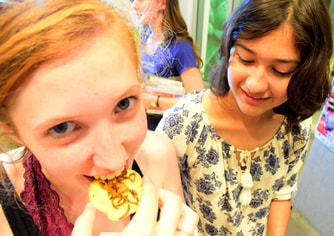
We feed the world with insects and provide information on insects as food. Whether you’ve never intentionally eaten an insect or they’re your favorite snack, stop by our booth to enjoy a selection of tasty edible insects. Afterwards you’ll brag to your friends “I ate a bug… and I liked it!” #IEatBugs
Pima Environmental Education Programs
Learn a new skill. Explore a new park. Meet your wild neighbors and other nature lovers in the community either in person or online. We host custom nature programs and school/youth programs.

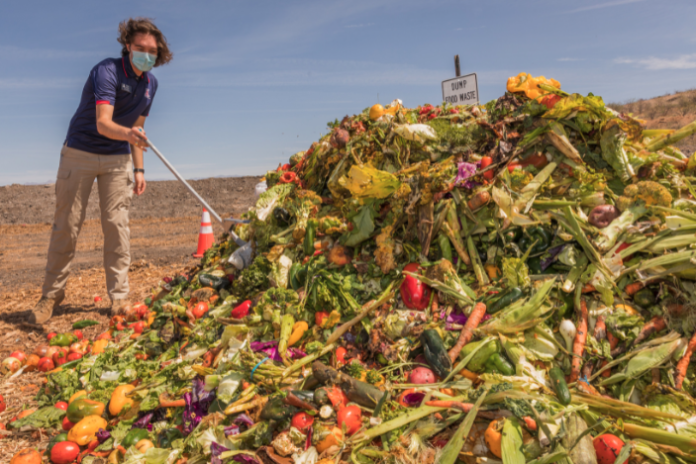
Focusing on food waste reduction and diversion within the city of Tucson, community outreach and engagement, public education, and research facilitation, the Compost Cats have been mitigating food waste by composting in Tucson since 2011 and offer several compost drop off locations for Tucson residents. Our booth will focus on vermicomposting and there will be lots of worms and millipedes to play with.
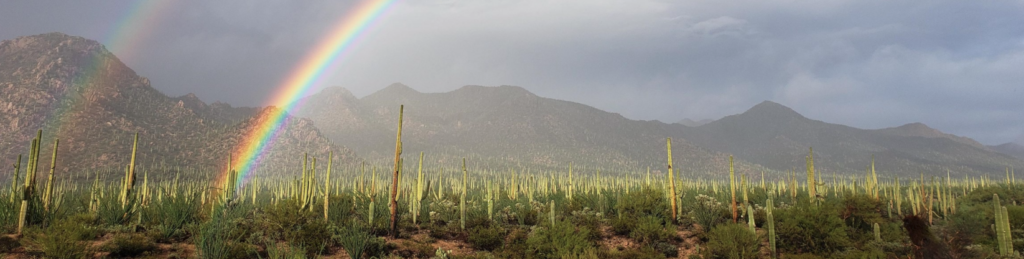
Saguaro National Park
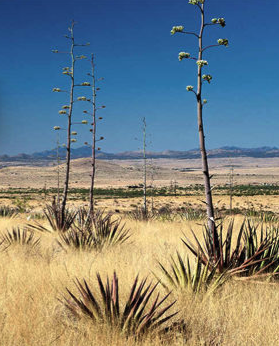
Home to the largest cacti in the United States and an amazing diversity of desert wildlife. What unique insects can you find in the Park?
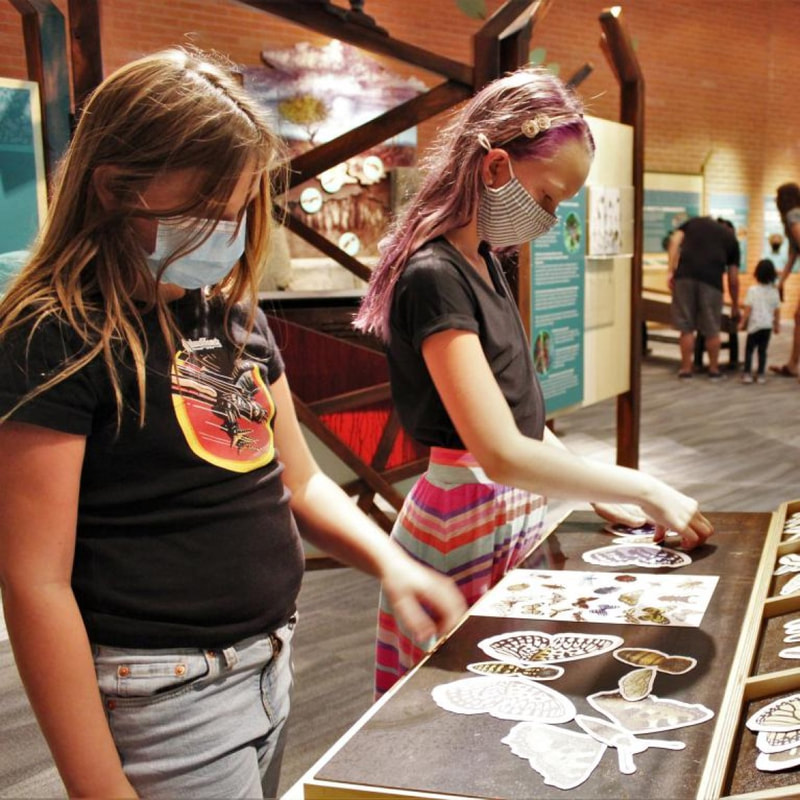
Flandrau Science Center and Planetarium
Test your skills with Guess That Baby: Insect Edition, then get creative by designing your own whimsical insect torn-paper art! Stop by our booth to discover all that Flandrau has to offer – from science exhibits and planetarium shows to birthday parties, camps, and more!
We are a group of organizations and individuals whose goal is to promote monarch butterfly conservation as well as advocating for the protection of important pollinator habitat.
Tucson Museum of Art
Connect art to life at this booth where we’ll help you express your artistic impressions of insects using different media.

Arthropod Zoo
Brought to you by John Palting and the laboratory of Dr. Wendy Moore.
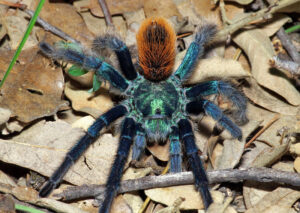
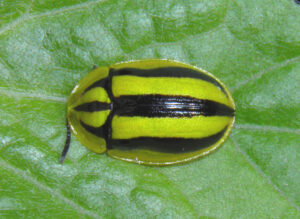
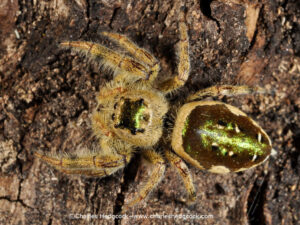
Arthropods are animals with an external skeleton (exoskeleton), segmented bodies, and jointed paired appendages. They have existed since the Cambrian period over 500 million years ago. Surviving groups of arthropods include crustaceans (crabs, lobsters, shrimp), arachnids (spiders, scorpions, mites), myriapods (centipedes and millipedes) and insects. The Moore lab is home to the Arizona Sky Island Arthropod Project (ASAP), which aims to document arthropod species diversity across SE Arizona. Our Arthropod Zoo booth will feature live representatives of the diverse arthropods found all around Tucson!
Backyard Vampires
Brought to you by the laboratory of Dr. Michael Riehle.
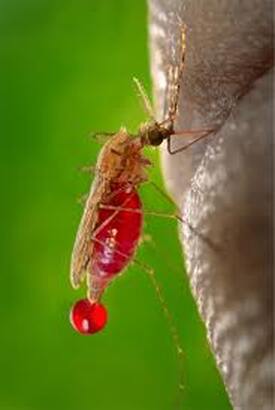
Meet the most dangerous animal on earth … the mosquito. Mosquitoes kill more than one million people every year and sicken hundreds of millions. See these insects up close and learn what you can do to control them and prevent the transmission of mosquito-borne diseases such as West Nile virus.
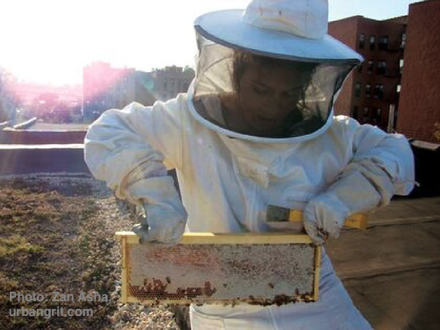
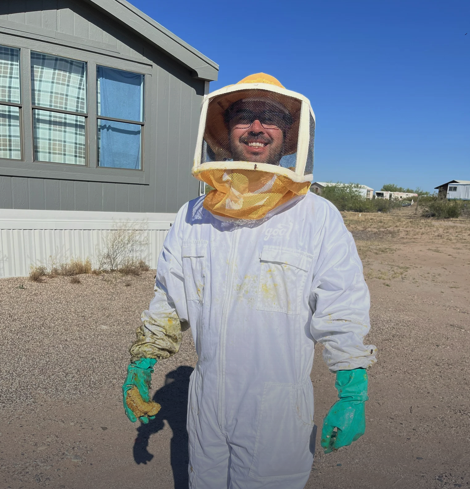
Busy Bees
Brought to you by the USDA Bee Lab.
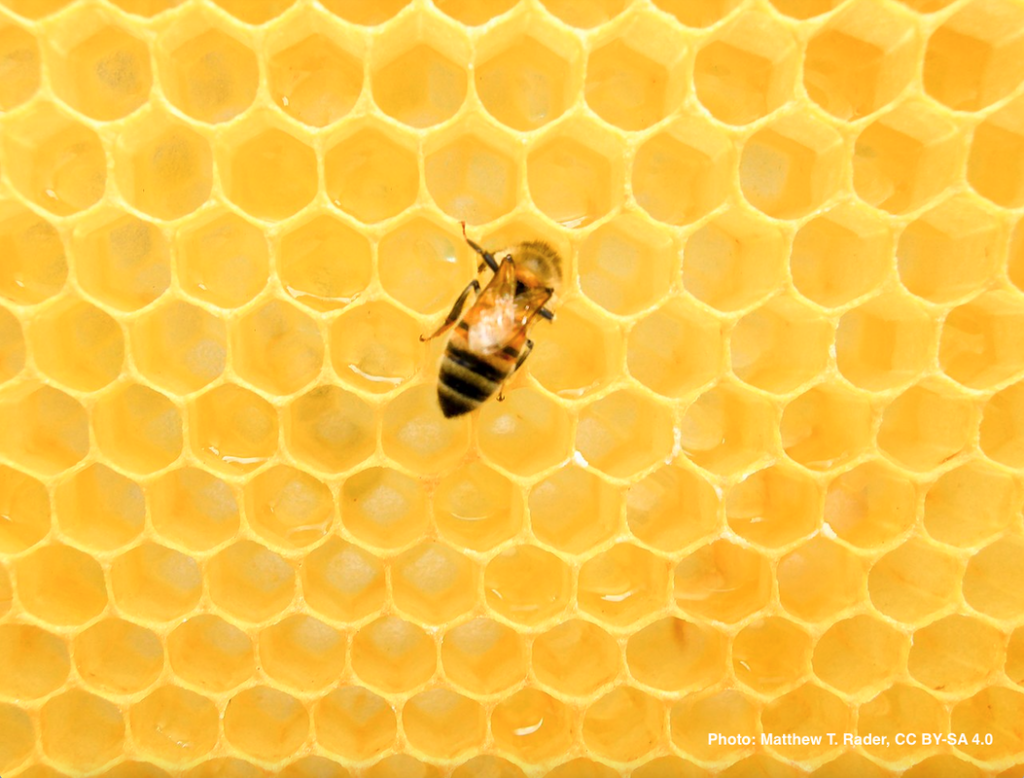
Honeybees pollinate many of our crops and also provide us with delicious honey. Explore the inner world of these social insects and learn all about what makes a hive tick.
Wil Taylor Art
Wil Taylor is a local nature artist, who seeks to promote awareness and appreciation of the beauty found in the Sonoran Desert. He enjoys drawing by hand the flora and fauna he comes across on his adventures. It has been said that he “captures the soul” of pollinators and other insects. We look forward to displaying some of Wil’s original paintings to showcase these creatures’ amazing colors, shapes, and designs. Also we will have coloring books of his new “Beauty-Full Butterfly” Alphabet, to share with young and old! (crayons/colored pencils available to color your own butterfly at the table).
We are a volunteer organization dedicated to conserving the natural resources and restoring the habitat, trails and infastructure of Madera Canyon while educating school children and adults about the wonders of this unique place.
TUSD Magnet Schools
Wiggle Over to Our Booth for a Crawling Worm STEAM Activity! Join us for a hands-on worm-themed STEAM project that’s perfect for young scientists and artists! While you create, learn about our award-winning Magnet Schools and the unique programs they offer – including school gardens where worms help keep the soil healthy and thriving. TUSD magnet schools offer specialized, innovative curriculums designed to inspire curiosity and give Tucson families more choices for their child’s education.
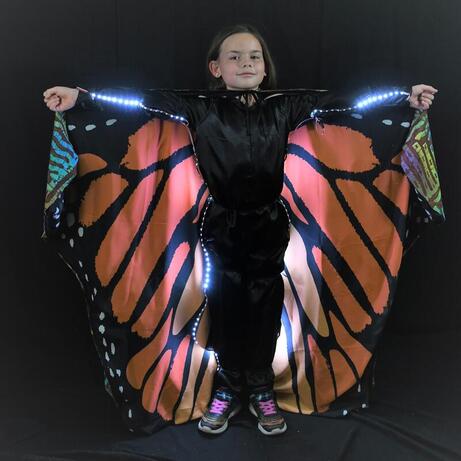
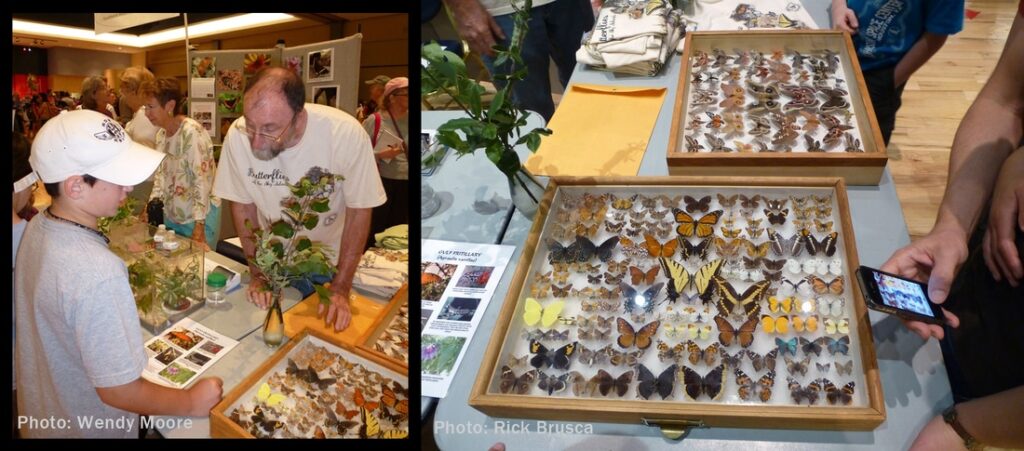
Southeast Arizona Butterfly Association (SEABA)
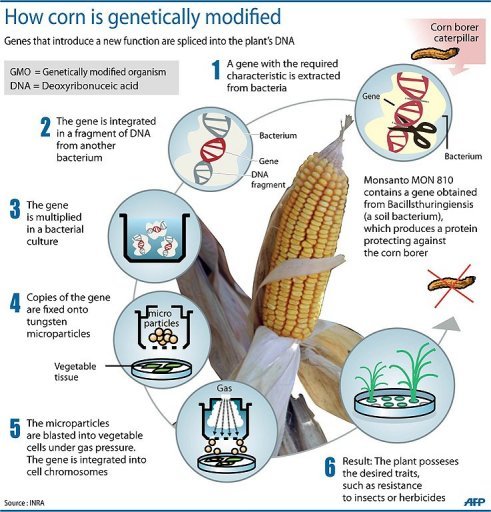
Transgenic Crops for Pest Control
Brought to you by the laboratories of Dr. Bruce Tabashnik and Dr. Xianchun Li.
Application of pesticides to control crops pests often yields multiple side effects such as killing of non-target organisms (birds, bees, natural enemies, etc.) and environmental pollution. To overcome these side effects, a new approach of pest management — transgenic crops with pest-killing genes inserted — has been adopted to protect crops from pests for over a decade. The purpose of this booth is to share the science behind transgenic crops.
Goat Pest Solutions is one of our sponsors, and is a company that prioritizes long-term solutions over endless chemical applications. By focusing on habitat modification and physical exclusion, Goat Pest Solutions ensures that homes are fortified against the desert environment, rather than just temporarily treated.
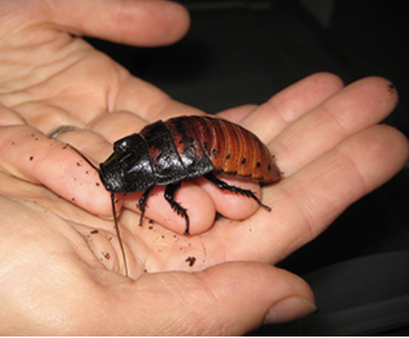
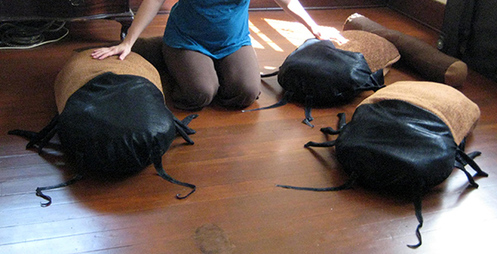
The Joy of Roaches
Brought to you by the laboratory of Dr. Kathleen Walker and the Insect Discovery Program.
Roaches are ancient, useful and beautiful. Come meet these misunderstood and cuddly creatures!
Arizona-Sonora Desert Museum
Come meet your invertebrate neighbors and learn about what you can do to conserve and protect the Sonoran Desert! The Arizona-Sonora Desert Museumaims to inspire people of all ages to live in harmony with the natural world – stop by and learn to love all of the residents of this amazing desert.
Social Media:



Tucson Bird Alliance
Tucson Bird Alliance’s mission is to inspire people to enjoy and protect birds through recreation, education, conservation and restoration of the environment upon which we all depend. Our booth highlights the vital connection between native plants, insects, and birds, showing how each depends on the other for survival. Through informational displays and resources, we’ll share simple steps anyone can take (like planting native species in their yard or community spaces) to help restore these natural relationships. Stop by to learn how supporting native plants creates healthier ecosystems for insects, birds, and people alike!

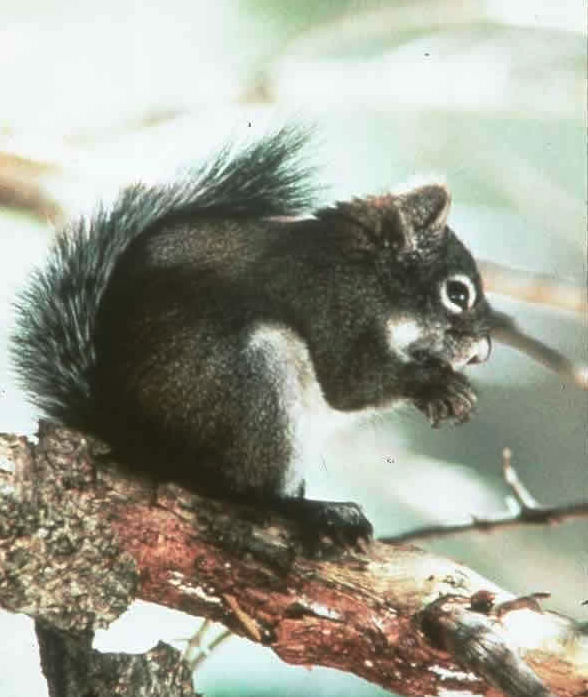
Mountains, Middens, and Mandibles
The endangered Mt. Graham red squirrel stores its winter food supply of conifer cones in debris piles (termed middens) in the forest high atop the Pinaleño Mountains of southeastern Arizona. These unique sites provide cool microclimates that many ground-dwelling arthropods find favorable. Middens that are continuously occupied by generations of squirrels make even better insect homes & can attract birds that feast on bugs! Stop by to see the amazing diversity of beetles & other arthropods that call squirrel middens home!
Arizona Poison Control
We are lucky to share the Sonoran Desert with some very cool critters, such as scorpions, centipedes, bees, and spiders. However, it is also important to be aware of risks for bites/stings. Arizona is known as the venomous creature capital of the United States. On average, the Arizona Poison and Drug Information Center manages about 1,500 bites/stings cases each year. Stop by to learn about the critters of the Sonoran Desert, how to prevent bites and stings, and what to do if someone has been bitten or stung.
Arizona Raptor Center
Our mission is to provide science based education and resources to promote wildlife conservation and environmental awareness. Insects can be a large part of a raptor’s diet. We will have live birds with us to help explain how insects are part of a broader ecosystem.
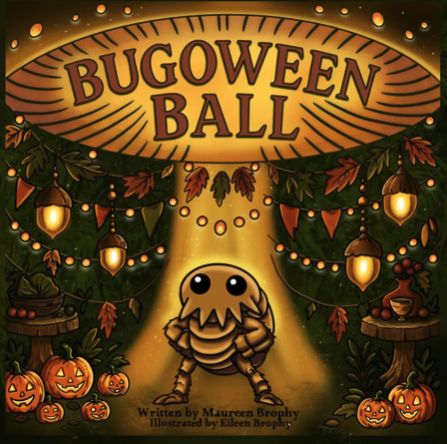
Bee Squared Books
Giving kids entertaining, accurate information about the world around them, with a focus on bugs – from someone who really loves bugs!
Social Media: